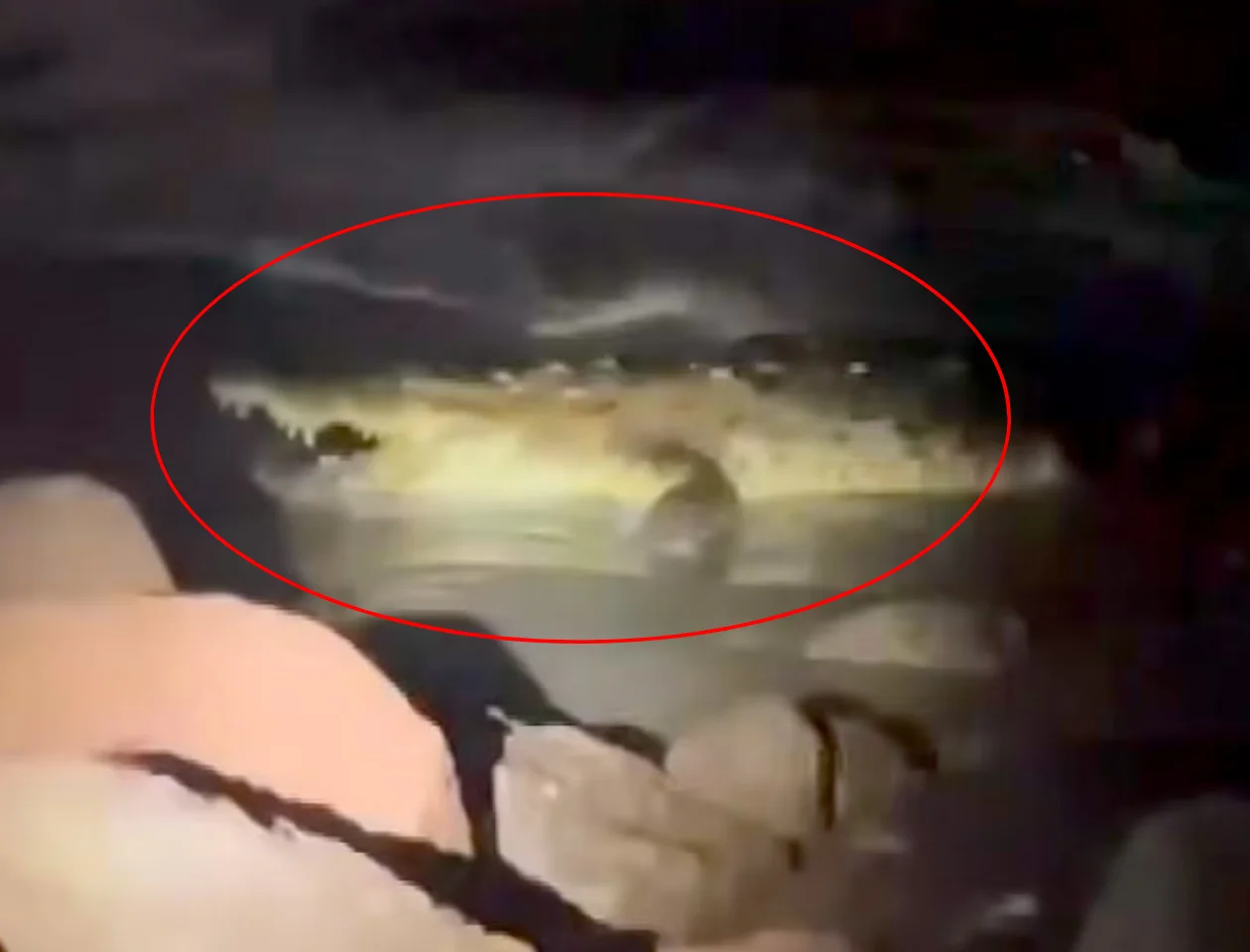
- A 28-year-old man was killed by a crocodile in Puerto Vallarta, Mexico, witnessed by a California family on vacation.
- The victim, Irving, was attacked just offshore from the Marriott Puerto Vallarta Resort and Spa during his birthday trip.
- Warning signs about crocodiles were present, but many visitors, including the family, misinterpreted them as referring to iguanas.
JALISCO, MEXICO — Less than two months after a New York woman was found dead in Jamaica during what was supposed to be a birthday trip, another popular vacation destination has been shaken by a tragedy that has left witnesses struggling to make sense of what they saw. This time, in the resort city of Puerto Vallarta, Mexico, a 28-year-old man was dragged into the ocean and killed — not by a person, but by a crocodile. And a family from California watched every terrifying second of it.
A Vacation That Turned Into a Nightmare
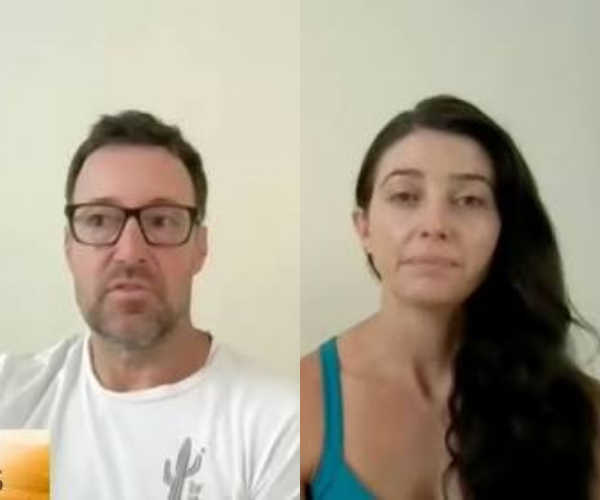
Jamie Yetter, her fiancé Chris Bury, and Yetter's teenage daughter were staying at the Marriott Puerto Vallarta Resort and Spa, celebrating the daughter's high school graduation. It was supposed to be a happy trip.
At around 6:30 p.m. on Friday, while the family was relaxing by the hotel pool, they heard screaming coming from the beach.
"We thought we saw a guy stuck in a rip current, so Chris took off down to the water, and I ran right after him," Yetter told NBC Los Angeles.
What they found when they got there was not a rip current.
Irving, a 28-year-old from Mexico City who was visiting Puerto Vallarta with a group of friends, was already in the water — and he was not alone.
Racing Against Time
Bury could see exactly what was happening. A large crocodile had grabbed Irving by the thigh and was pulling him under and spinning him in the water.
"The crocodile had him by the thigh," Bury said. "He was just turning him, taking him under."
Bury grabbed a life preserver and tried to throw it to Irving. But Irving was in shock. He could not respond.
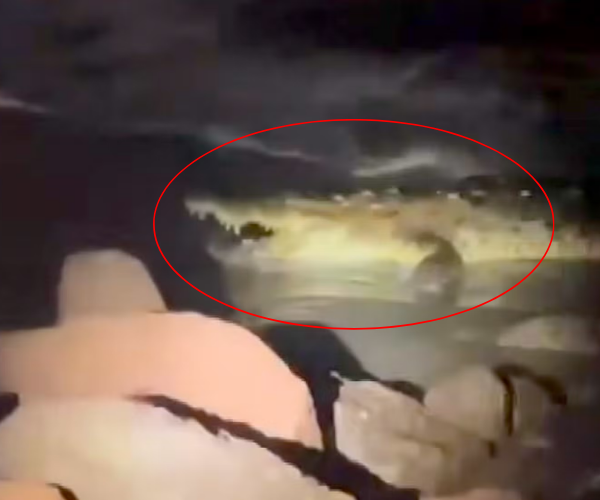
Then someone on the beach brought down a kayak. Bury jumped in and started paddling — with no oars.
"There were no oars. There was really nothing at the beach at all to help," Bury said. "We were just scrambling, trying to do what we could."
He paddled out as fast as he could. But it was already too late.
"I was on the kayak right when he got pulled under," Bury said.
Irving disappeared beneath the surface. The crocodile had taken him.
A Search That Lasted Through the Night
Authorities launched an immediate and large-scale search operation. Municipal lifeguards, Civil Protection officers, firefighters, Jalisco state police, and personnel from the Mexican Navy — known as SEMAR — all worked through the night searching the waters near Marina Vallarta beach.
Irving's body was recovered early Saturday morning, nearly 12 hours after the attack, found near Estero Boca Negra — roughly 500 meters to one kilometer from where he was first attacked.
The crocodile suspected of being responsible was also located and captured during the operation.
Jalisco state authorities confirmed Irving's identity and offered condolences to his family. Officials reminded the public to follow warning signs and stay out of the water in areas where wildlife is known to be present.
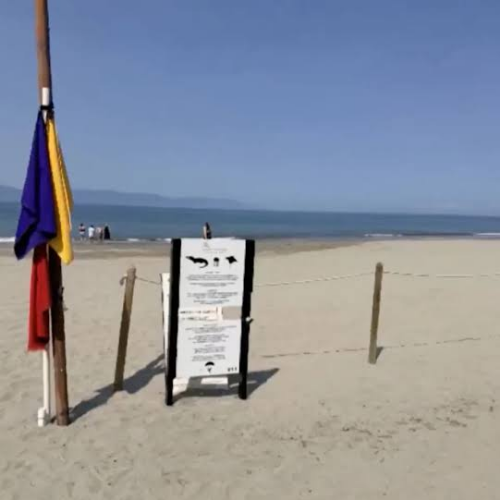
Signs Were There. Nobody Took Them Seriously.
Yetter told reporters that there were signs on the path from the hotel to the beach warning of jellyfish, stingrays, and crocodiles in the water. But when her family saw the symbol for a crocodile, they assumed it was meant to represent an iguana.
"We thought we saw a guy stuck in a rip current," she said, recalling the moment they heard the screams. It never crossed their minds that a crocodile would be waiting just offshore from a major resort hotel.
After the attack, when Yetter spoke to hotel staff, one employee's response stopped her cold.
"Some employees said this happens a lot," she recalled.
The Marriott Puerto Vallarta Resort and Spa has not commented on the incident. The hotel said it was awaiting a response from its corporate office.
This Was Not the First Time
Friday's attack did not happen at a random stretch of beach. It happened at the same area of Marina Vallarta where a crocodile attacked and injured two Colorado tourists back in July 2022. And before that, in 2021, a California teenager was seriously injured in a crocodile attack near the same Marriott property.
Both times, the beach remained open. Both times, life went on.
By Saturday morning — less than 24 hours after Irving was killed — tourists and families were already back in the water at the same spot.
Why Puerto Vallarta Has Crocodiles Near Its Beaches
The American crocodile is a native and protected species in Mexico. It is not an invasive animal that wandered in from somewhere else. It belongs there.
Researchers from the University of Guadalajara estimate that between 250 and 300 American crocodiles may live in the wider Puerto Vallarta and Banderas Bay area. These animals inhabit the rivers, estuaries, canals, and mangroves that run through and alongside the resort city — and in many places, those habitats run right up to the edge of hotel beaches.
During the rainy season, which runs roughly from June through October, those risks increase. Heavy rains swell rivers and open up pathways between inland waterways and the shoreline. Crocodiles that normally stay closer to estuaries and mangroves can end up moving along coastlines and into beaches — especially at night, and especially near river mouths and marinas like the one at Marina Vallarta.
Jalisco State Civil Protection expanded beach patrols following Friday's attack. Officials described the incident as "lamentable, unusual, and isolated," but called on visitors to respect warning signs and to avoid swimming in areas where wildlife may be present.
For the California family who raced to the water trying to save Irving, those words ring hollow.
"There were no oars," Bury said. "There was really nothing at the beach at all to help."
To view more cases of shocking accidents and tragedies, check out our video here: